How Technology Saves us Time
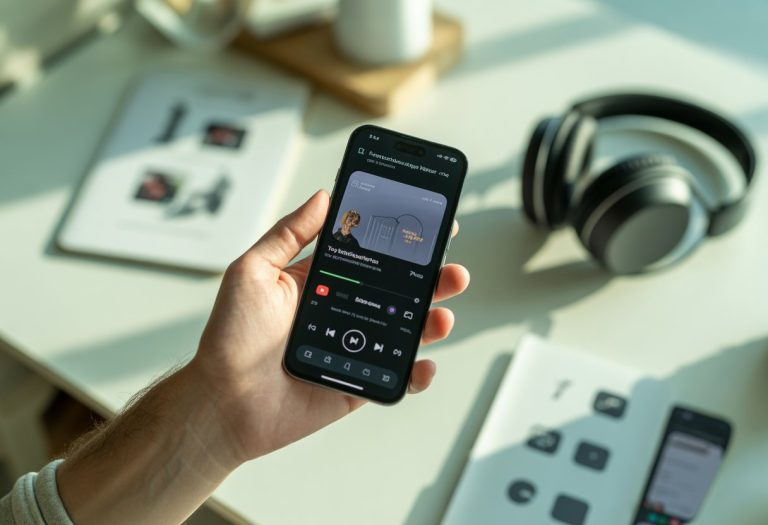
Sometimes I think about how much of my life sits inside one device.
I can check my bank balance, reply to work emails, watch a documentary, order dinner, scroll social media, and — if I wanted to — open something like Casinovave Canada without ever leaving the same screen. It’s strange how normal that feels now.
There was a time when technology meant separate things. A computer was a computer. A TV was a TV. A phone made calls. Now everything overlaps. Everything syncs. Everything updates automatically while we sleep.
We don’t even notice the transition anymore.
The Phone Became the Hub
It didn’t happen all at once. Phones just slowly absorbed everything.
First it was texting. Then cameras got better. Then music moved onto apps. Then GPS replaced maps. Then banking apps showed up. And suddenly your entire daily routine ran through one device.
It’s efficient, sure. But it’s also kind of intense.
Lose your phone for a day and you feel it immediately. Not because you miss scrolling — but because access disappears. Passwords. Authentication codes. Directions. Even your boarding pass at the airport.
We don’t carry tools anymore. We carry ecosystems.
And that ecosystem updates constantly. Software patches. Security fixes. New features you didn’t ask for but end up using anyway.
Everything Talks to Everything
It’s not just phones.
Your laptop syncs with your cloud storage. Your smartwatch syncs with your phone. Your car syncs with your navigation history. Your TV syncs with your streaming account.
Nothing feels isolated anymore.
Even your home isn’t fully “offline.” Smart thermostats learn your schedule. Doorbells send notifications. Lights adjust with voice commands.
And what’s interesting is how quickly we adapt to it. The first time you turn lights off with your voice, it feels futuristic. After a week, it feels normal.
Tech integrates fast — and we normalize it even faster.
Work Doesn’t Live in One Place
Technology also erased the old boundaries around work.
Emails follow you everywhere. Meetings happen on screens. Documents exist in shared folders that update in real time.
In theory, that means freedom. You can work from anywhere.
In practice, it means work can happen anywhere.
There’s no clear “off” switch unless you intentionally create one. Notifications don’t care about weekends. Updates don’t pause because it’s late.
But at the same time, global collaboration became possible because of this connectivity. Teams in different time zones can build something together without ever being in the same room.
That’s powerful.
Entertainment Is Infinite Now
Streaming changed everything.
You don’t wait for schedules anymore. You don’t buy physical copies. You don’t even really “own” content — you access it.
Movies, games, podcasts, live streams — it’s all there, always available. You can switch between them in seconds.
The upside is convenience. The downside is overload.
Choice fatigue is real. When everything is available, picking something becomes harder. Sometimes the scroll takes longer than the actual viewing.
Technology gave us abundance. Now we’re learning how to manage it.
AI Is Quietly Steering Things
A lot of modern tech runs on systems most people never think about.
Search bars predicting your question before you finish typing. Playlists generated based on your listening habits. Ads tailored to what you looked at yesterday.
It’s not magic. It’s data.
Algorithms notice patterns. They refine recommendations. They adjust experiences.
Some people find that impressive. Others find it invasive. Maybe it’s a bit of both.
But it’s undeniably integrated into everyday life now.
The Security Balancing Act
Here’s the part that feels heavier.
When everything lives online, everything needs protection.
Passwords aren’t enough anymore. Two-factor authentication is standard. Biometric logins are common. Security updates pop up constantly.
We trust digital systems with money, identity, personal conversations, and private photos. That trust requires infrastructure — encryption, monitoring, cybersecurity teams.
Technology made life smoother, but it also made digital awareness essential.
You can’t just “use” tech anymore. You have to understand it, at least a little.
So Where Is It Going?
If you zoom out, it’s clear that integration is the direction.
Wearables are improving. Electric cars function more like software platforms. Augmented reality is creeping into everyday tools.
Soon, the phrase “all things tech in one place” might not even make sense — because everything will simply be connected by default.
The real question isn’t whether technology will keep expanding.
It’s how we’ll manage it.
How we’ll balance convenience with privacy. Speed with focus. Access with intention.
Because at the end of the day, tech is just infrastructure.
We decide how it shapes our lives.
And maybe that’s the part that matters most.